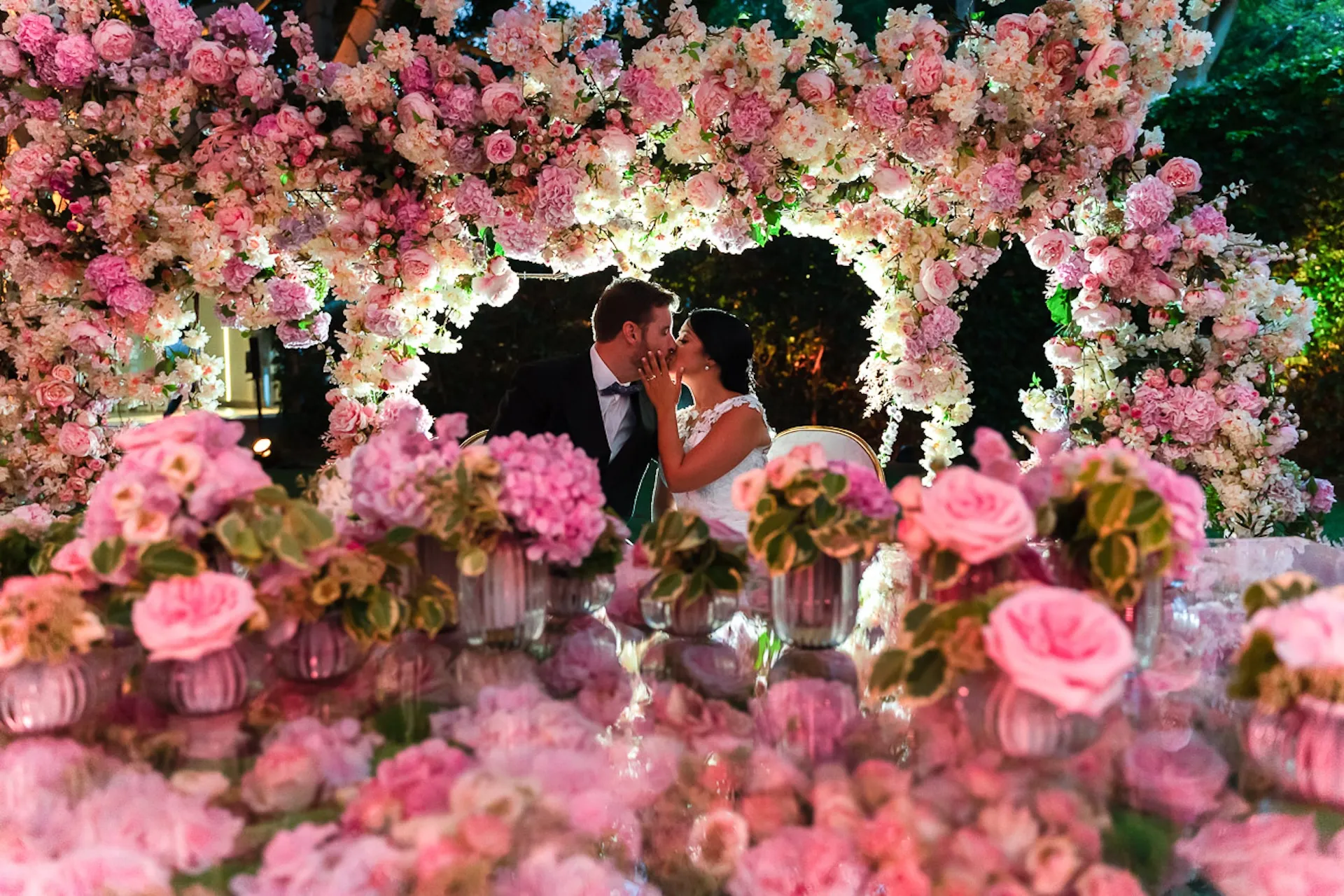

Planning a destination wedding in Spain begins with a feeling: the light, the landscape, the architecture, the table, the people gathered in a place that feels chosen with care.
But behind that feeling there is structure.
A beautiful wedding in Spain is never only the result of a beautiful venue. It depends on timing, guest experience, logistics, creative direction, trusted partners, ceremony decisions, contingency planning and a thousand quiet details that allow the celebration to feel effortless.
This destination wedding checklist for Spain is designed to help couples move from inspiration to clarity. Not as a rigid formula, but as a curated framework for making decisions with confidence.
For a broader view of the full planning journey, you may also want to read our guide on how to plan a destination wedding in Spain.
1. Define the kind of wedding you want to experience
Before choosing a venue, a destination or a date, begin with the atmosphere.
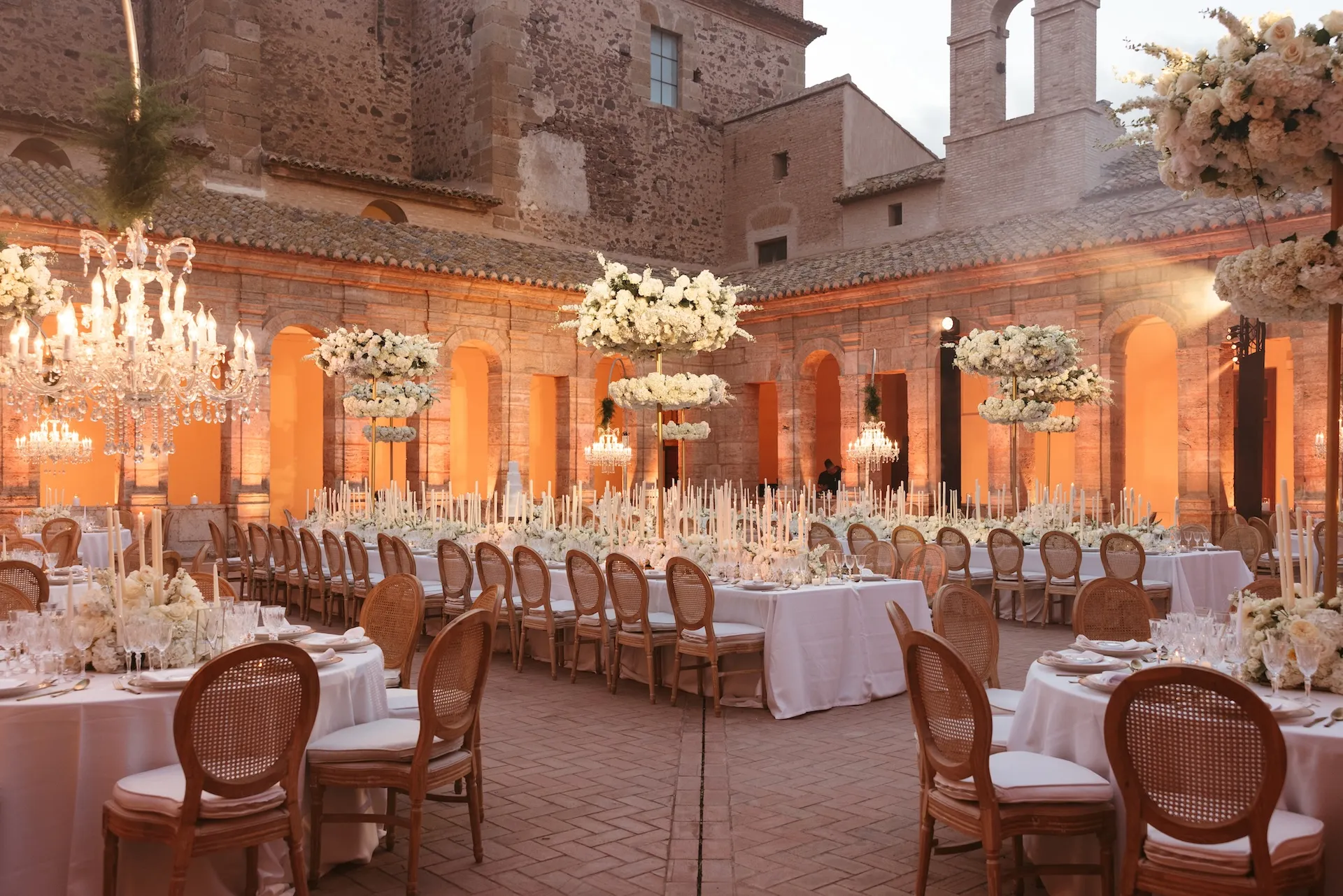
Spain offers many different wedding languages: Mediterranean villas in Marbella, island fincas in Mallorca, palatial venues in Madrid, historic castles, countryside estates, seaside retreats and private homes transformed for celebration.
The first question is not “Where should we get married?” The first question is “What should the wedding feel like?”
Consider:
- Do you imagine an intimate celebration or a grand gathering?
- Should the wedding feel relaxed, formal, artistic, ceremonial or immersive?
- Is the landscape central to the experience?
- Do you want a full wedding weekend or one extraordinary day?
- Should guests feel they are entering a private world, a cultural setting or a destination journey?
- Is the celebration more connected to nature, architecture or atmosphere?
The clearer the emotional direction, the easier every practical decision becomes.
Before choosing individual details, it helps to define the level of celebration the couple wants to create. For couples seeking a refined and deeply personal experience, at Sira Antequera we approach luxury weddings in Spain through an integral vision: creative direction, planning, logistics, team curation and guest experience.
2. Choose the right destination in Spain
Spain is not a single wedding destination. Each region creates a different kind of experience.
Marbella offers Mediterranean glamour, private estates, villas, sea light and a natural rhythm for multi-day celebrations. Mallorca brings fincas, stone architecture, sea views, mountain landscapes and a quieter island intimacy. Madrid offers cultural elegance, palaces, historic salons and the energy of a European capital.
The destination should support the wedding beyond the venue. It should make sense for the guests, the season, the travel route and the type of celebration the couple wants to create.
When choosing a destination, consider:
- Airport access for international guests
- Accommodation nearby
- Weather and seasonality
- Local gastronomy
- Transport between venues
- Possibilities for welcome dinners or farewell gatherings
- Privacy and exclusivity
- The emotional identity of the place
The right destination does not only host the wedding. It gives the celebration its first layer of meaning.
3. Build a realistic guest journey
A destination wedding is experienced through movement.
Guests travel, arrive, check in, gather, move between spaces, attend the ceremony, enjoy dinner, celebrate late into the night and often stay for more than one day. Every transition matters.
A refined guest journey should feel intuitive. Guests should know where they need to be, how they will get there and what kind of rhythm to expect, without feeling over-managed.
Checklist for guest experience:
- Confirm expected guest count early
- Identify where guests are likely to stay
- Consider group transportation when needed
- Plan clear arrival and departure timings
- Design a welcome moment before the wedding day
- Keep transitions between ceremony, dinner and party natural
- Allow enough time for comfort, conversation and atmosphere
- Prepare useful guest information in advance
- Consider language needs for international guests
- Make the experience feel cared for without becoming rigid
The most elegant weddings are not only beautiful. They are easy to inhabit.
4. Select the venue with both beauty and logistics in mind
The venue is one of the most emotional decisions in the planning process. It is also one of the most strategic.
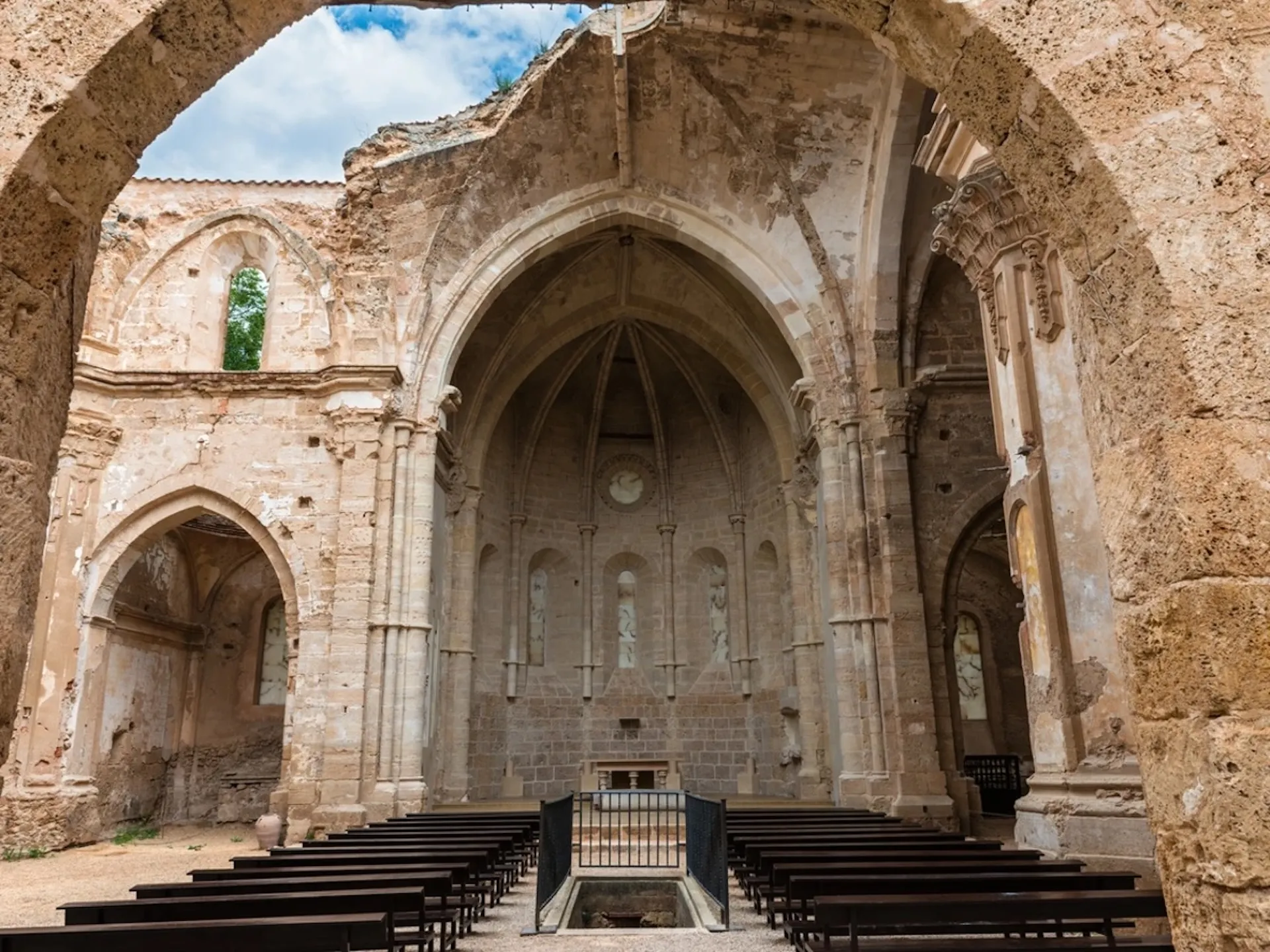
A venue should be chosen for what it can become, not only for how it appears in photographs. A private estate may offer privacy and freedom, but require more production. A palace may offer architecture and structure, but come with restrictions. A finca may feel intimate and timeless, but need careful access and transport planning.
Before confirming a venue, check:
- Capacity for ceremony, dinner and party
- Indoor and outdoor options
- Plan B in case of rain, wind or heat
- Sound restrictions
- Curfew or timing limitations
- Catering possibilities
- Supplier access
- Power supply
- Bathrooms and service areas
- Guest flow between spaces
- Parking or transport logistics
- Accommodation nearby
- Exclusivity and privacy
The best venue is not always the most impressive one. It is the one that can hold the celebration without forcing it.
5. Decide whether the wedding will be symbolic, religious or legally binding
For many international couples, the legal side of a destination wedding in Spain needs to be clarified early.
Some couples choose to complete the legal marriage in their home country and celebrate a symbolic ceremony in Spain. Others explore religious or civil options depending on nationality, residency, documentation and location.
This decision affects timing, paperwork, ceremony structure and sometimes the choice of venue.
Checklist for ceremony type:
- Decide whether the ceremony will be symbolic, religious or legal
- Check documentation requirements early
- Confirm whether translation or apostille services are needed
- Understand timelines for paperwork
- Decide who will officiate the ceremony
- Align the ceremony style with the tone of the wedding
- Keep the emotional experience separate from the administrative process when needed
For luxury destination weddings, many couples prefer to keep the legal process simple and focus the Spanish celebration on meaning, beauty and shared experience.
6. Create a planning timeline that protects the vision
A destination wedding in Spain should not be rushed.
The earlier the key decisions are made, the more freedom there is to choose the right venue, secure trusted creative partners and design the guest experience with care.
A refined planning timeline may include:
- 12 to 18 months before: define vision, destination, guest count and budget structure
- 10 to 14 months before: secure venue, planner and key creative partners
- 8 to 12 months before: begin design direction, guest logistics and accommodation planning
- 6 to 8 months before: confirm catering, production, floral direction, music and photography.
- 4 to 6 months before: refine guest communications, menus, ceremony and transport
- 2 to 3 months before: finalise timings, layouts, supplier details and production needs
- Final month: confirm guest numbers, run-of-show, weather plans and final coordination
The timeline should create calm. It should not simply mark deadlines, but protect the quality of every decision.
This is part of the philosophy behind The Art of Celebration: not as a list of tasks, but as an experience shaped through beauty, intention, method and rhythm. At Sira Antequera, every decision belongs to a wider process, held by a team and a carefully curated network of creative partners.
7. Curate the right creative team
A wedding in Spain is shaped by the people who bring it to life.
Venue, catering, florals, production, lighting, music, stationery, photography, film, beauty, transport and guest hospitality all need to speak the same language. In a luxury wedding, the creative team is not simply a list of suppliers. It is an ecosystem.
That team should be curated with intention: not only for talent, but for sensitivity, reliability, discretion and the ability to understand the atmosphere the couple wants to create.
This is where the guidance of an experienced team becomes essential. A destination wedding requires more than coordination. It requires the ability to read the venue, understand the couple’s vision, select the right creative partners and make sure every decision belongs to the same world.
When curating the creative team, consider:
- Does each partner understand the tone of the wedding?
- Have they worked in the chosen destination or type of venue?
- Can they adapt to the level of production required?
- Are they comfortable working with international couples?
- Do they communicate clearly?
- Do they respect the overall creative direction?
- Can they work as part of a coordinated team?
A destination wedding requires trust. The right creative team allows the couple to feel present, knowing that every visible detail and every invisible decision is being held with care.
For couples looking for a refined, fully considered celebration, at Sira Antequera we accompany luxury weddings in Spain through this kind of creative and logistical curation: bringing together vision, planning, trusted partners and guest experience in one coherent direction.
8. Shape the design direction before choosing every detail
Design should not begin with isolated choices. It should begin with atmosphere.
Flowers, tableware, lighting, textiles, paper goods, furniture and music should all serve the same emotional direction. A wedding can be abundant or minimal, classical or contemporary, intimate or theatrical. What matters is coherence.
For a destination wedding in Spain, the design should also respond to the place. A Marbella estate, a Mallorca finca, a Madrid palace or a countryside property each asks for a different kind of interpretation.
Design checklist:
- Define the visual language of the wedding
- Let the venue influence the design without limiting it
- Create a consistent palette of materials, textures and tones
- Think about the transition from day to night
- Use lighting as part of the atmosphere, not only as a technical need
- Avoid decorative choices that do not serve the experience
- Consider how every table, entrance, ceremony setting and musical moment will feel
A beautiful wedding is not made from beautiful elements placed together. It is made from decisions that belong to the same world.
9. Plan the wedding weekend, not only the wedding day
For many couples, a destination wedding in Spain is not a single-day event. It is a sequence.
A welcome dinner, a pre-wedding gathering, the ceremony day and a farewell brunch can transform the celebration into a complete experience. But each moment should have its own purpose.
Not every event needs to be elaborate. Sometimes the most meaningful moments are the quietest: a dinner under trees, a seaside aperitif, a morning gathering, a private table with family.
Wedding weekend checklist:
- Decide how many days the celebration should last
- Define the purpose of each gathering
- Avoid exhausting the guests
- Keep the main wedding day as the emotional centre
- Choose locations that feel connected but not repetitive
- Leave space for guests to enjoy the destination
- Use food, music and setting to give each moment its own tone
- Communicate the schedule clearly and elegantly
A wedding weekend should feel generous, not crowded.
10. Prepare a weather and comfort plan
Spain offers extraordinary light and beautiful weather, but no outdoor celebration should depend entirely on hope.
Heat, wind, rain, strong sun and temperature changes between day and night can affect the guest experience. A strong plan B should never feel like a lesser version of the wedding. It should feel like part of the same vision.
Comfort checklist:
- Plan shade for outdoor ceremonies or aperitifs
- Consider fans, parasols or cooling options in warm months
- Prepare blankets or heaters for cooler evenings
- Confirm indoor or covered alternatives
- Check wind exposure for florals, candles and table settings
- Plan water points and guest comfort moments
- Adapt timings to avoid the harshest heat
- Consider footwear guidance for gardens, estates or countryside venues
Luxury is often felt in the details that prevent discomfort before anyone notices it.
11. Confirm transport and accommodation early
Transport is one of the least romantic parts of a destination wedding. It is also one of the most important.
A beautiful venue can lose its magic if guests struggle to arrive, wait too long between transfers or feel uncertain about how to return at the end of the night.
Transport and accommodation checklist:
- Identify the main guest hotels or accommodation areas
- Confirm transfer times between locations
- Plan transport for welcome events if needed
- Arrange late-night return options
- Share clear instructions with guests
- Consider private drivers for key family members or VIP guests
- Check accessibility needs
- Avoid overly complicated venue combinations
The guest journey begins long before the ceremony.
12. Build the final production plan
In the final stage, the wedding becomes a living project.
Every supplier, timing, delivery, installation, cue, movement and transition must be aligned. The goal is not to control the day so tightly that it loses emotion. The goal is to create enough structure for emotion to unfold naturally.
Final production checklist:
- Confirm final guest count
- Finalise floor plans
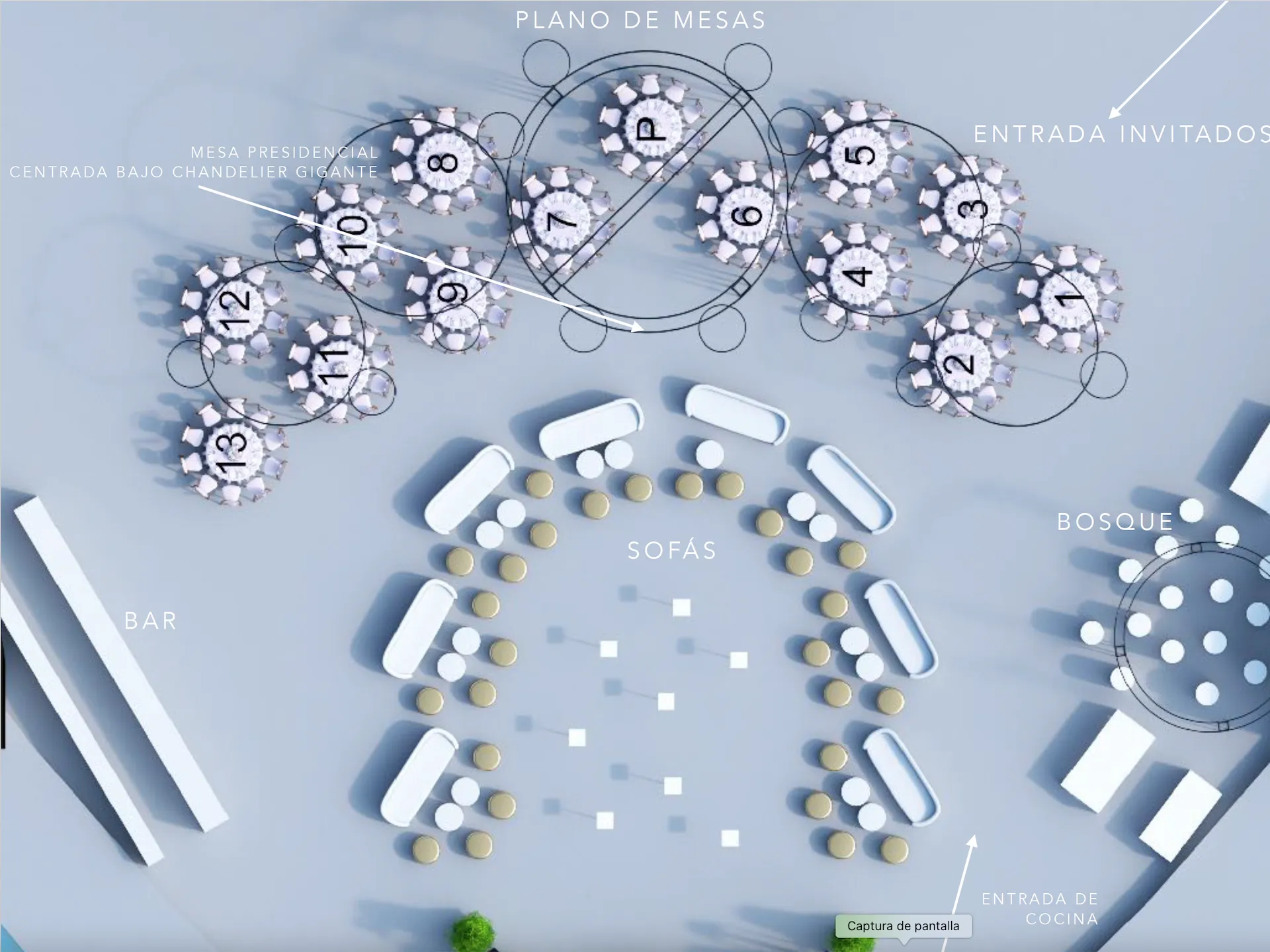
- Approve ceremony and dinner layouts
- Confirm supplier arrival and dismantling times
- Prepare a full run-of-show
- Align music cues and key transitions
- Confirm transport schedules
- Review weather contingencies
- Share contact sheets with the production team
- Confirm payments and contracts
- Prepare emergency kits and backup plans
- Brief the couple and key family members only where necessary
The best-planned weddings rarely feel planned. They feel effortless because the structure is invisible.
13. Know when to ask for guidance
A destination wedding in Spain can be beautiful, but it is not a simple project.
There are decisions that couples can enjoy making themselves: inspiration, style, emotional priorities, guest experience, the kind of celebration they want to remember. But there are also decisions that require local knowledge, supplier trust, production experience and creative direction.
Working with a specialised team helps transform the checklist into a coherent process. It allows the couple to make decisions with clarity, avoid unnecessary noise and protect the atmosphere they imagined from the beginning.
At Sira Antequera, we understand planning as something more than organisation. It is a curatorial process in which every decision should hold beauty, meaning, logistics and emotion, from the first idea to the final moment of the celebration.
To begin shaping a celebration in Spain, you can contact our team and share the first details of your wedding.
Frequently asked questions about planning a destination wedding in Spain
What should be included in a destination wedding checklist for Spain?
A destination wedding checklist for Spain should include destination selection, venue search, guest logistics, accommodation, transport, ceremony type, supplier coordination, design direction, weather planning, timeline, production details and final wedding-day coordination.
How far in advance should we plan a destination wedding in Spain?
For a luxury destination wedding in Spain, many key decisions should begin around 12 to 18 months in advance. This allows enough time to secure the right venue, planner, creative team and accommodation options, especially for high-demand destinations and seasons.
Is Spain a good destination for international weddings?
Yes. Spain is a strong destination for international weddings because it offers varied landscapes, beautiful venues, excellent gastronomy, strong hospitality and destinations that can support both intimate celebrations and multi-day wedding experiences.
Do we need a wedding planner for a destination wedding in Spain?
A wedding planner is highly recommended for a destination wedding in Spain, especially if the couple is planning from abroad. A planner helps coordinate local suppliers, logistics, production, design direction, guest experience and the many decisions that make the celebration feel seamless.
What is the first step in planning a destination wedding in Spain?
The first step is to define the atmosphere and type of experience the couple wants to create. Before choosing a venue or destination, it is important to understand whether the wedding should feel intimate, formal, Mediterranean, cultural, relaxed, architectural or immersive.
Should we choose the venue or the planner first?
For a destination wedding, it is often better to speak with a planner before confirming the venue. A planner can help evaluate whether a venue truly supports the couple’s vision, guest experience, logistics, weather plans and production needs.
A final thought: a checklist should create freedom
A destination wedding checklist should not make the celebration feel technical. It should create freedom.
When the important decisions are held with care, the wedding can breathe. Guests can arrive with ease. The couple can be present. The design can feel coherent. The timing can unfold naturally. The destination can become part of the memory.
Planning is not the opposite of emotion.
It is what allows emotion to remain undisturbed.
For couples beginning to imagine their celebration in Spain, contacting our team is the first step towards shaping a wedding that feels considered, personal and quietly unforgettable.