



Spain offers an extraordinary canvas for a wedding abroad: Mediterranean light, historic architecture, private estates, island landscapes, refined gastronomy and a way of celebrating that feels both generous and deeply rooted in place. But for international couples, the beauty of Spain also comes with practical decisions: where to marry, when to host the celebration, how to manage guests travelling from different countries, and how to create an experience that feels intimate rather than generic.
As a destination wedding planner in Spain, we approach the process as a curated journey. The aim is not to replicate a wedding formula in a Spanish setting, but to build a celebration with rhythm, meaning and a strong sense of place.
Begin with the feeling, not the venue
The first question is not “Where should we get married in Spain?” but “How do we want the celebration to feel?”
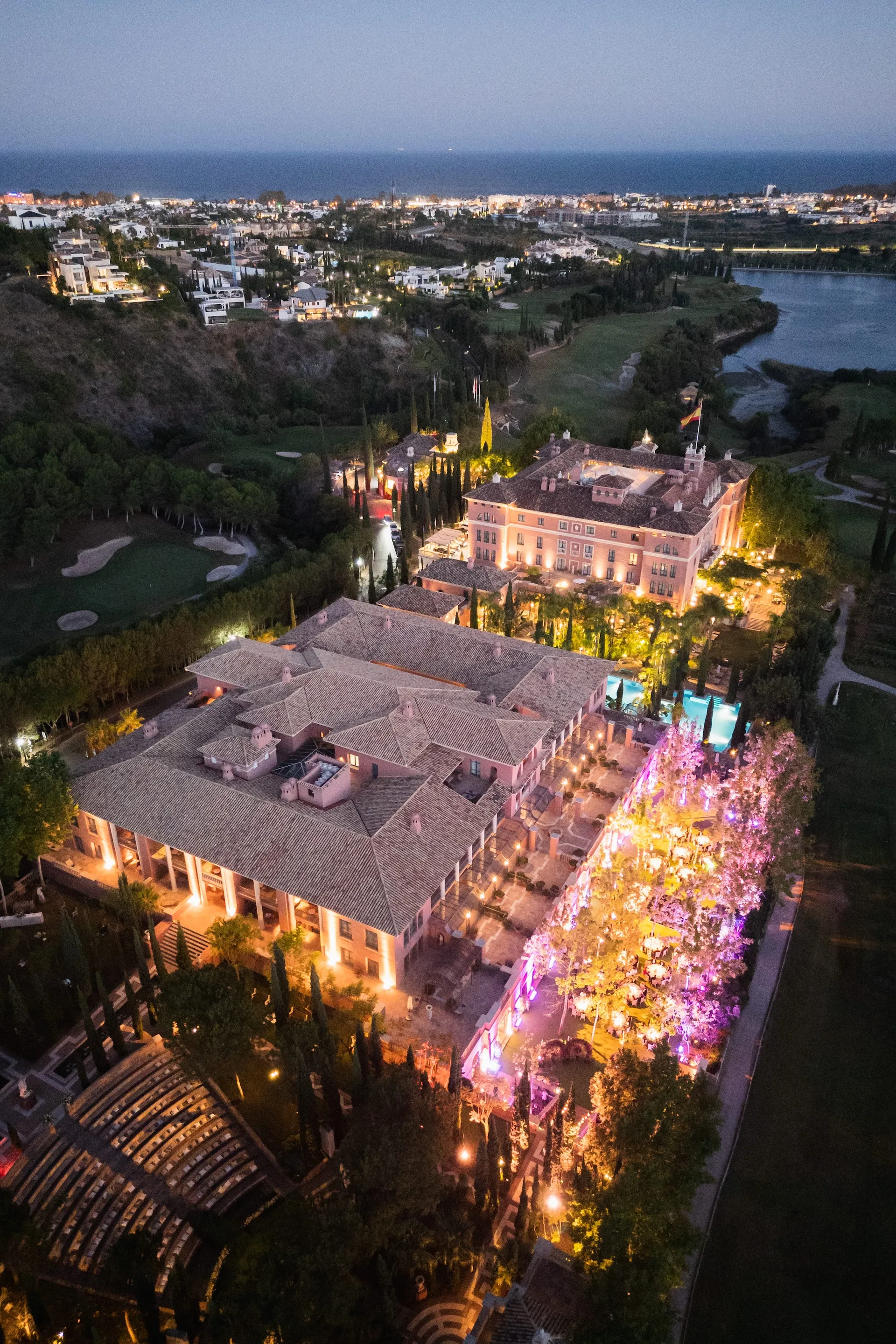
Some couples imagine a weekend by the sea, with welcome drinks at sunset, a ceremony overlooking the Mediterranean and a long dinner under the stars. Others are drawn to the quiet grandeur of a private estate, a palace courtyard, a historic villa or a countryside finca surrounded by olive trees and gardens.
Before looking at venues, we recommend defining three things:
- The emotional tone of the wedding: relaxed, formal, intimate, theatrical, family-oriented or editorial.
- The guest experience: one-day celebration, full wedding weekend or multi-day destination gathering.
- The setting: coast, island, city, countryside, historic estate or private villa.
This first layer gives direction to every other decision. It also helps avoid one of the most common mistakes in destination weddings: choosing a beautiful place before understanding whether it can truly support the kind of celebration the couple wants to create.
Choose the right destination within Spain
Spain is not one single wedding destination. It is a collection of very different landscapes, climates, traditions and moods. Choosing the right region is essential.
Marbella: Mediterranean glamour and coastal celebration
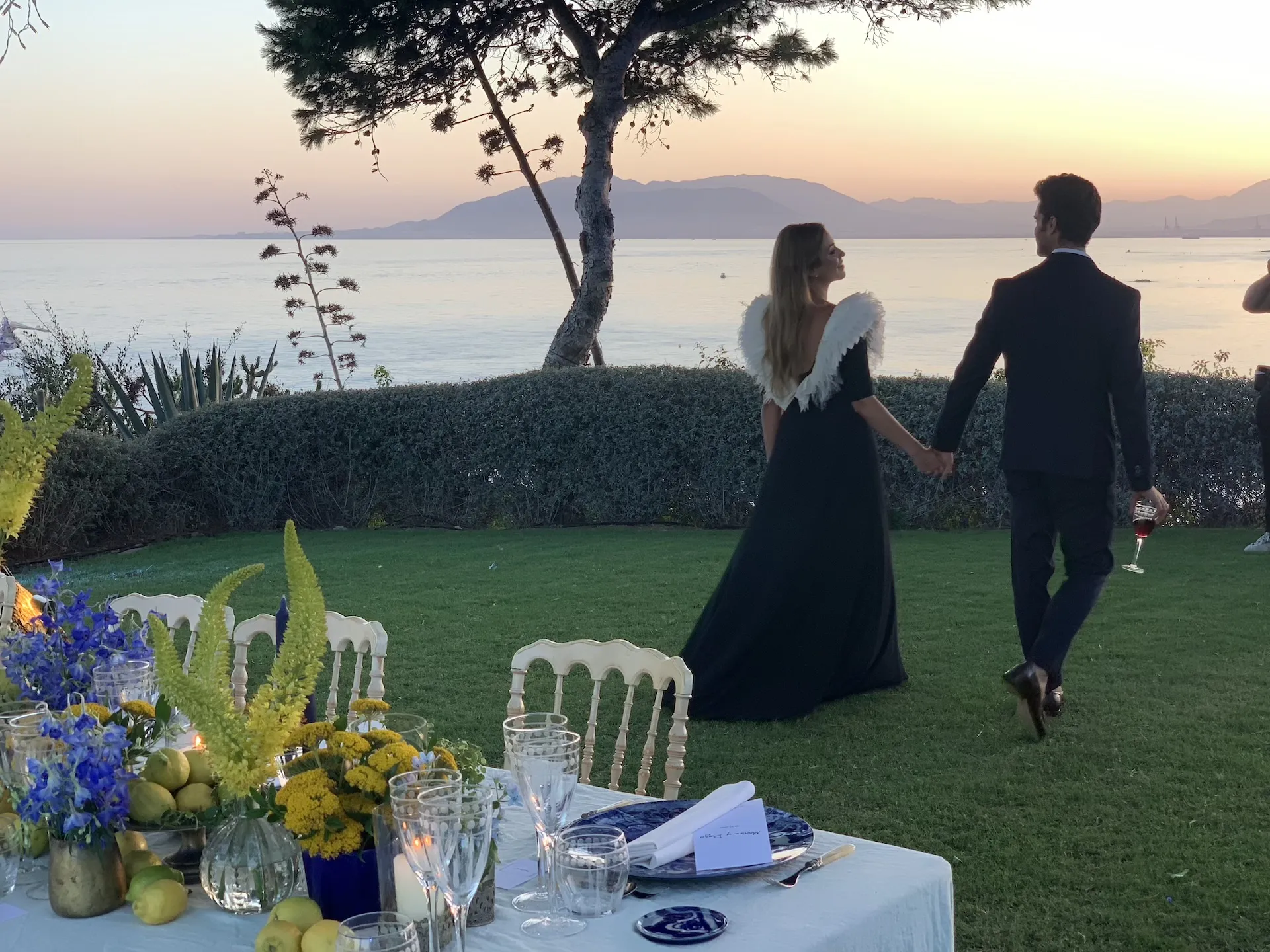
Marbella is ideal for couples looking for a polished Mediterranean setting, strong hospitality infrastructure and a celebration that can move naturally between sea, garden, villa and private estate.
The destination works especially well for international guests because it combines beachside atmosphere, elegant leisure, gastronomy and access to the wider Costa del Sol. Spain’s official tourism website describes Marbella as one of the main destinations on the Costa del Sol, highlighting Puerto Banús, its coastline, old town and high-quality infrastructure.
For couples considering a refined coastal wedding, our Marbella wedding planner service — https://www.siraantequera.com/en/marbella-weddings/ — is the natural next step.
Mallorca: island beauty with depth and character
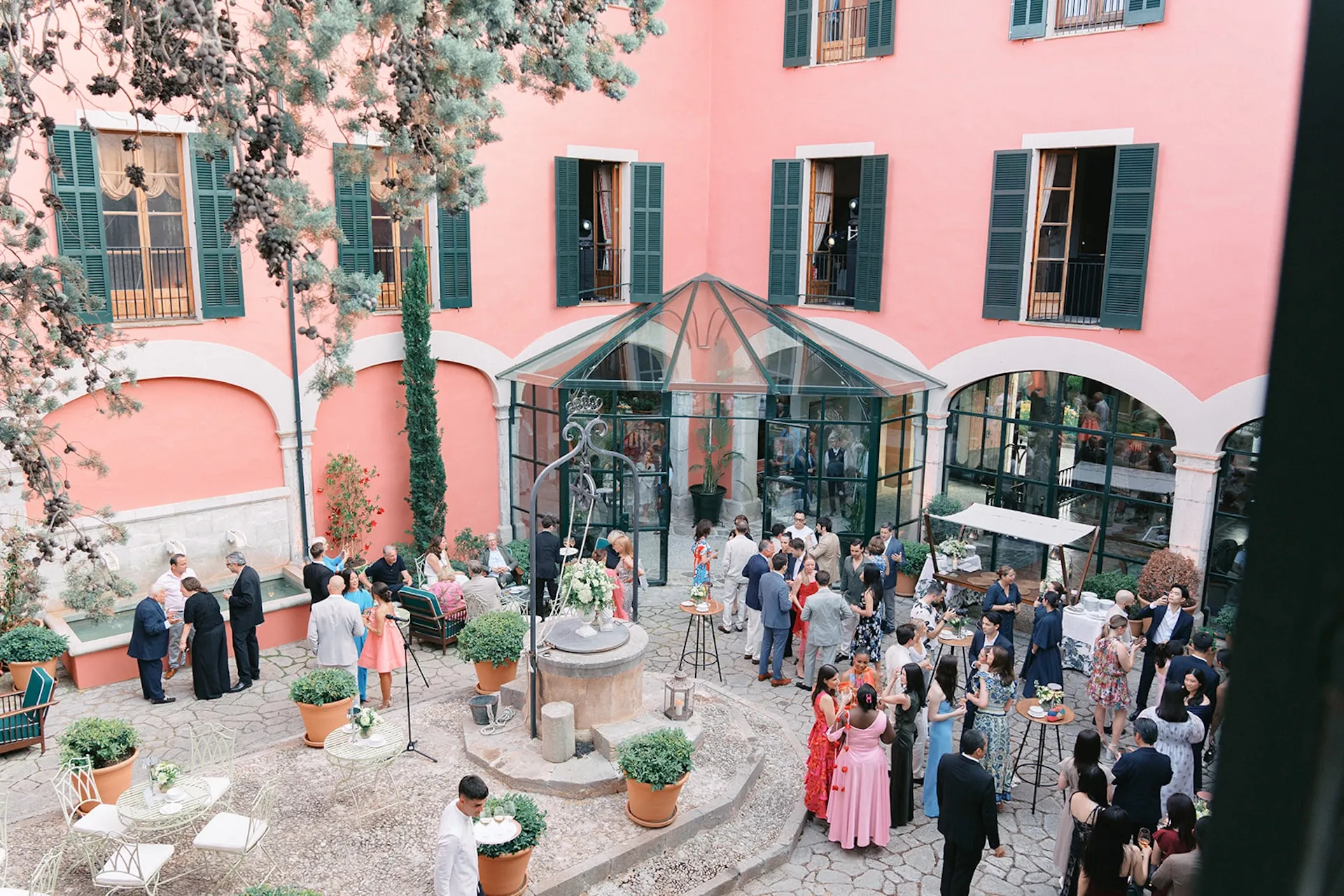
Mallorca is often chosen for its Mediterranean light, stone fincas, mountain views, sea-facing terraces and sense of escape. It is an island destination, but not a one-note beach location. Its strength lies in contrast: rural estates, historic towns, contemporary design, coastal routes and intimate corners that feel quietly cinematic.
Spain.info presents Mallorca as “the essence of the Mediterranean”, with Palma, Valldemossa, Deià, Sóller and other towns among its points of interest.
For couples drawn to island weddings with texture, privacy and atmosphere, our Mallorca wedding planner page offers a more focused starting point.
Madrid: cultural elegance and urban sophistication
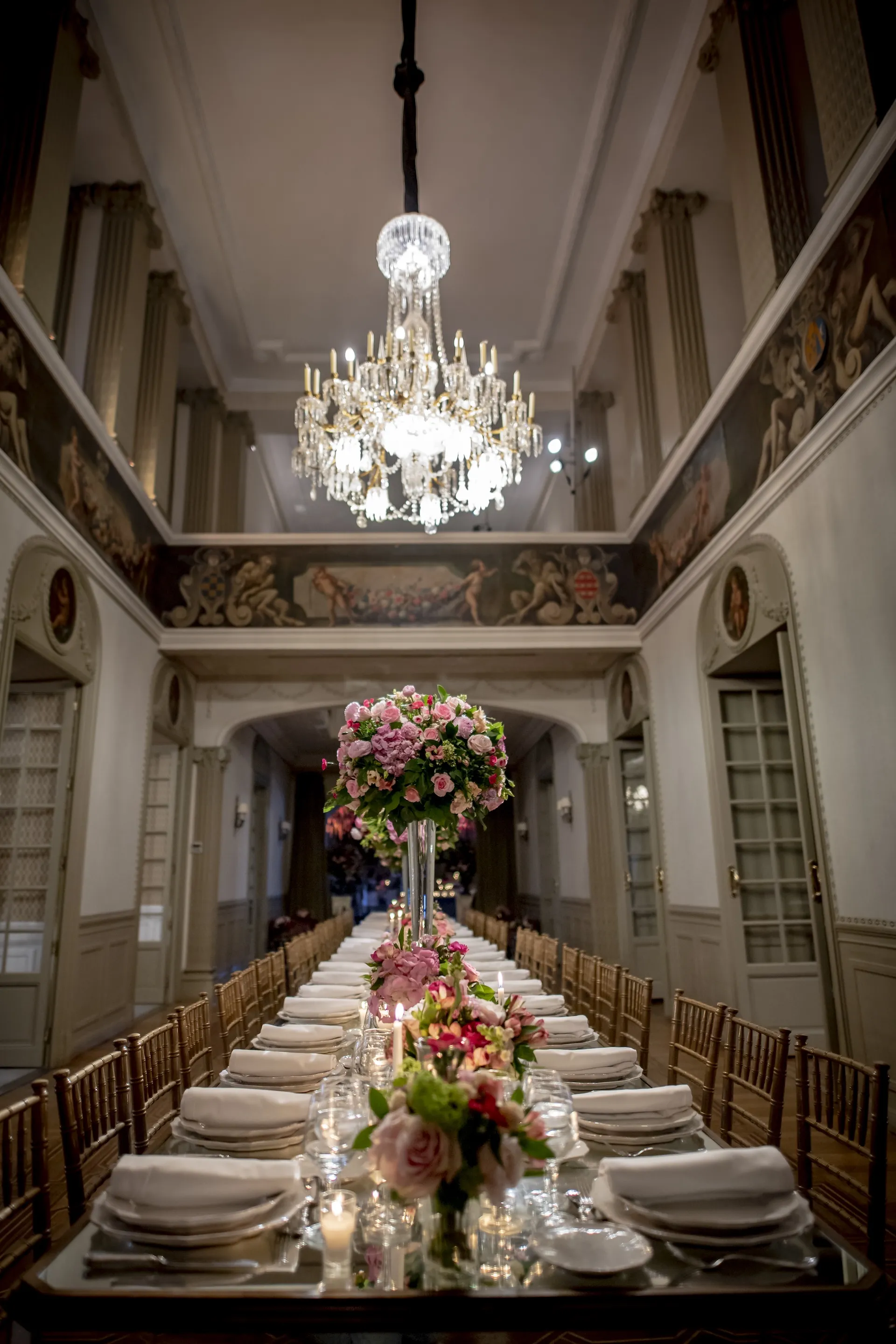
Madrid offers a very different kind of destination wedding. It is not about the sea, but about culture, architecture, gastronomy, palatial spaces and the energy of a European capital.
For couples who want a black-tie celebration, a palace-inspired setting, a museum-like atmosphere or a wedding weekend built around art, dining and city life, Madrid can be an exceptional choice. Spain.info describes Madrid as a vibrant and open city, known for museums, restaurants, historic areas and cultural life.
For couples considering a more urban and culturally layered celebration, our Madrid wedding planner service helps shape the experience with the right level of precision.
Decide the best season for your wedding in Spain
The best time to plan a destination wedding in Spain depends on the region and the type of celebration.
Spring and early autumn are often the most versatile seasons for outdoor weddings. The light is softer, temperatures are usually more comfortable, and the guest experience can feel more relaxed. Summer can be spectacular, especially for evening celebrations, but it requires careful planning around heat, shade, ceremony timing and guest comfort.
For coastal destinations such as Marbella or Mallorca, late spring and September can be especially appealing. For Madrid, spring and autumn often work beautifully for elegant city weddings, garden receptions and formal evening celebrations.
Rather than choosing a date only because it looks attractive on the calendar, we look at the full context:
- Weather patterns by region.
- Guest travel routes and flight availability.
- Venue availability.
- Local festivities or high-demand periods.
- Sunset timing.
- Comfort during ceremony, cocktail hour and dinner.
- Photography light.
- Backup plans for wind, rain or heat.
This is where local knowledge becomes essential. A beautiful date in theory is not always the right date in practice.
Build the guest experience as a complete journey
A destination wedding begins before the wedding day. For guests travelling to Spain, the celebration includes the invitation, travel planning, arrival, accommodation, welcome moments, transfers, local experiences and the farewell.
This is why we design destination weddings as a journey rather than a single event.
A considered wedding weekend in Spain may include:
- A welcome dinner or cocktail the evening before.
- A curated ceremony and reception day.
- A relaxed post-wedding brunch.
- Optional local experiences for close family or friends.
- Clear travel guidance.
- Thoughtful accommodation recommendations.
- Elegant communication before arrival.
The goal is not to over-program every hour. The goal is to create a natural rhythm so guests feel cared for without feeling managed.
For luxury destination weddings, this distinction matters. True refinement is not excess. It is ease, timing and emotional intelligence.
Select a venue that supports the experience, not just the aesthetic
A venue can look beautiful in photographs and still be wrong for the wedding.
When evaluating venues in Spain, we look beyond the first impression. We consider how the space behaves throughout the day: arrival, ceremony, aperitif, dinner, dancing, logistics, lighting, supplier access, sound restrictions and privacy.
Key questions include:
- Can the venue host the full guest count comfortably?
- Is there a strong rain or wind contingency?
- How does the space work at sunset and after dark?
- Are there restrictions on music, timing or production?
- Can guests arrive easily from nearby hotels or airports?
- Is the catering in-house or external?
- Is there enough privacy for a luxury celebration?
- Does the venue feel authentic to the destination?
- What is the timeline for installation and dismantling?
- What are the logistical requirements?
- Are there any additional technical requirements or specific demands from the venue?
- Are there any limitations regarding suppliers, contracting or services?
The best venues do not simply frame the wedding. They help the celebration unfold naturally.
Define the visual direction with restraint
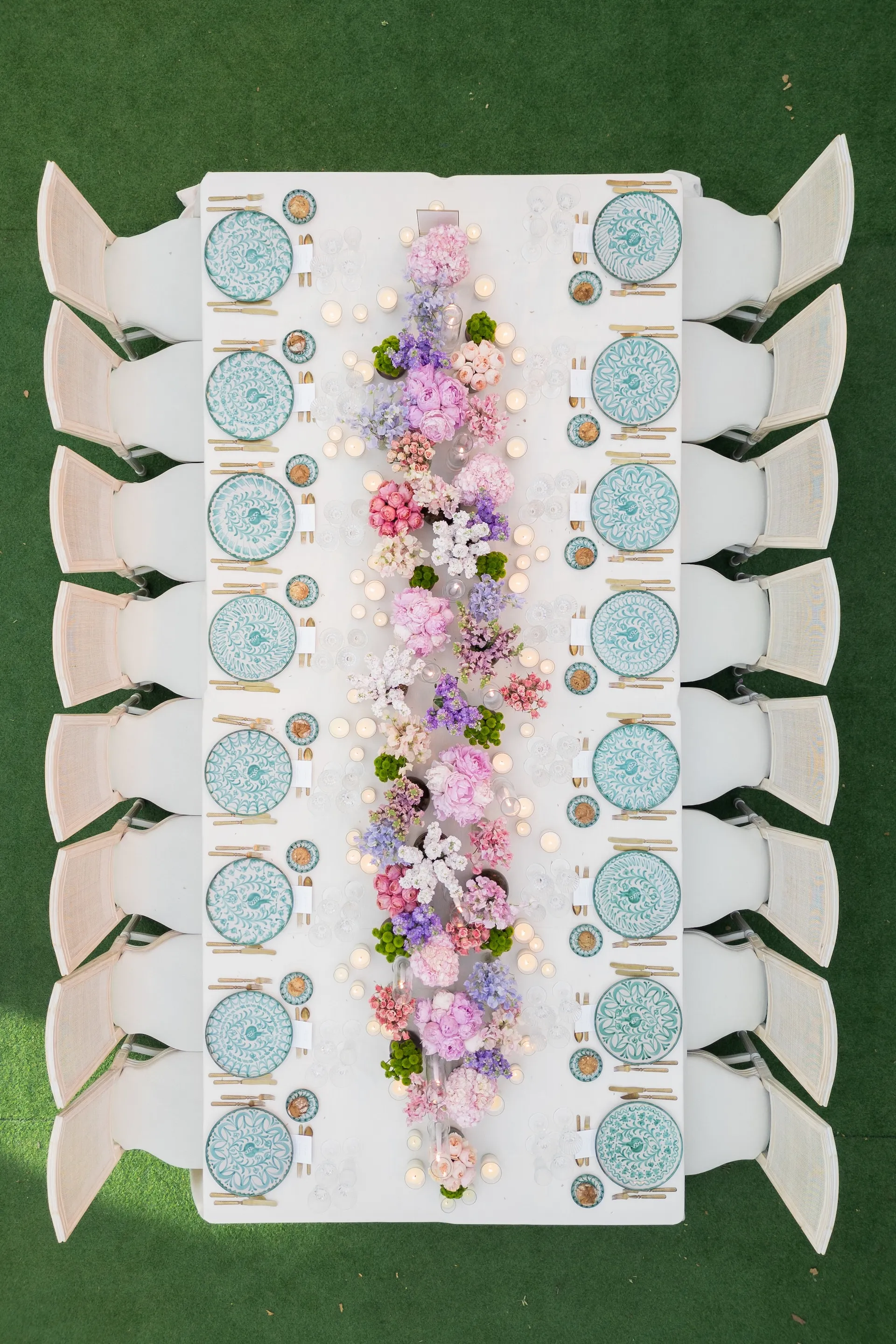
Spain is visually rich. It is easy to overuse references: fans, tiles, flamenco, citrus, terracotta, bougainvillea, lace, ceramic plates, bold colour and rustic textures. Some of these elements can be beautiful, but only when used with intention.
For Sira, design begins with the couple, the architecture and the landscape. We prefer to work with suggestion rather than cliché.
A luxury wedding in Spain may draw from:
- The colour of the stone at the venue.
- The quality of Mediterranean light.
- Local flowers and seasonal textures.
- Historic craftsmanship.
- Contemporary Spanish design.
- The rhythm of Andalusian, Balearic or Castilian architecture.
- The couple’s personal story.
The result should feel rooted in Spain without becoming a themed version of Spain.
Curate the food and wine experience
Food is one of the strongest ways to express a place in a Spanish destination wedding.
The menu should feel generous, seasonal and deeply connected to the region. In Marbella, this may translate into Mediterranean produce, Andalusian influence and a relaxed coastal elegance. In Mallorca, it may embrace island ingredients, olive oil, citrus, seafood, local wines and the warmth of finca-style hospitality. In Madrid, the experience may become more urban, gastronomic and refined, with a stronger emphasis on service, rhythm and timing.
Spain also offers extraordinary gastronomic freedom. From Michelin-starred cuisine bringing some of the greatest culinary excellence in the world, to the richness of traditional Spanish cooking, filled with depth, flavour and character. Each region has its own identity, ingredients and culinary heritage, creating a landscape of remarkable diversity. At the same time, Spain is also home to outstanding international cuisine, which should better reflect your tastes and background.
The experience itself can take many forms: a beautifully served traditional menu, elegant buffets, live cooking stations, contemporary displays where presentation becomes part of the spectacle, or more immersive dining concepts designed around interaction and atmosphere.
The food should serve the celebration. It should support the emotional flow of the day and feel aligned with the atmosphere, the energy and the rhythm of the event.
For international guests, gastronomy often becomes one of the most memorable dimensions of the entire experience. When it is thoughtfully designed, it becomes part of the Emotional Architecture™ of the celebration itself.
In Spain, gastronomy is an entire universe of richness and possibility — one that allows you to create a celebration that truly feels like your own.
Plan logistics with elegance
In destination weddings, logistics are not separate from design. They shape how the wedding feels.
A late transfer, unclear schedule, uncomfortable ceremony timing or poorly planned guest movement can affect the atmosphere of the entire day. Luxury is not only what guests see; it is what they do not have to worry about.
Important logistical areas include:
- Airport access and arrival recommendations.
- Hotel blocks or accommodation guidance.
- Guest transfers.
- Supplier load-in and production timing.
- Language coordination.
- Permits when needed.
- Ceremony sound and translation.
- Weather contingencies.
- Children, elderly guests or accessibility needs.
- Timeline management across multiple days.
This is one of the main reasons couples choose to work with a destination wedding planner in Spain. The role is not only creative. It is strategic, operational and deeply protective of the guest experience.
Create a timeline that allows the celebration to breathe
A destination wedding in Spain should not feel rushed. The timeline needs structure, but it also needs air.
This is especially important in Spain, where light, temperature, dinner timing and party culture can influence the flow of the day. An early ceremony may not always be the most elegant choice in summer. A long cocktail hour may work beautifully in one region and feel excessive in another. Dinner under the stars can be unforgettable, but only when lighting, service and temperature have been considered.
A thoughtful timeline protects the emotional rhythm:
- Arrival feels calm.
- The ceremony feels present.
- The cocktail has movement.
- Dinner has atmosphere.
- Speeches are placed with intention.
- The party begins at the right moment.
- Guests never feel abandoned between transitions.
The timeline is not just a schedule. It is the architecture of the experience.
Think beyond the wedding day
The most memorable destination weddings often include a sense of discovery.
This does not mean turning the wedding into a travel itinerary. It means allowing guests to experience Spain in a way that feels connected to the couple and the location.
Depending on the destination, this might include:
- A private dinner in Marbella.
- A relaxed beachside welcome gathering.
- A finca lunch in Mallorca.
- A cultural walk through Madrid.
- A wine-focused experience.
- A sailing moment.
- A farewell brunch with local character.
These moments should feel natural, not forced. The best destination wedding weekends leave guests with the feeling that they have not only attended a wedding, but entered a world.
For couples who want to move from the broader planning vision into practical next steps, this destination wedding checklist for Spain offers a curated framework for organising the essential decisions.
How far in advance should you plan a destination wedding in Spain?
For a high-end destination wedding in Spain, we usually recommend beginning the planning process 12 to 18 months in advance, especially if the couple wants a specific region, venue or date.
Shorter timelines are possible, but they require faster decision-making and more flexibility. For very private villas, exclusive estates, peak-season weekends or complex guest logistics, early planning is always preferable.
A realistic planning sequence might look like this:
12 to 18 months before
Define the destination, guest count, budget framework, creative direction and planning team. Begin venue search and shortlist key dates.
9 to 12 months before
Secure the planner and then the venue, photographer, catering direction, accommodation strategy and main supplier team.
6 to 9 months before
Develop the design concept, guest communications, travel guidance, ceremony structure, entertainment and production needs.
3 to 6 months before
Confirm menus, florals, stationery, beauty, timeline, transport, technical production and guest experience details.
Final month
Refine the schedule, guest list, seating, supplier coordination, contingency plans and final production details.
This structure keeps the process elegant and controlled, rather than reactive.
Of course, if we are your Wedding Planners, you will not need to think about schedules or logistics at all. Our service is an experience in itself — designed so you can fully live the celebration while we orchestrate everything behind it with precision and ease.
Final thoughts: Spain rewards thoughtful planning
A destination wedding in Spain can be magnificent, but the most beautiful celebrations are rarely the result of chance.
They come from decisions made in the right order: feeling before venue, experience before decoration, logistics before assumptions, and place before trend.
Spain gives us an extraordinary canvas to create from: endless sea views, historic cities, hidden fincas, majestic castles, Mediterranean light, vibrant gardens, island landscapes, extraordinary gastronomy, music, culture and a way of welcoming people that feels deeply alive.
It is a country filled with atmosphere, beauty and emotion — where every region carries its own soul, and every celebration can feel profoundly different.
Our role is to bring these elements together with discretion, artistry and precision, so the wedding feels deeply personal rather than simply beautiful.
If you are beginning to imagine your wedding in Spain, we recommend starting with the destination that best reflects the life you want to celebrate together.
FAQs about planning a destination wedding in Spain
Is Spain a good destination for a luxury wedding?
Yes. Spain offers a rare combination of Mediterranean landscapes, historic venues, private estates, gastronomy, strong hospitality infrastructure and excellent international appeal. The key is choosing the right region and planning the experience with enough local knowledge.
What is the best place in Spain for a destination wedding?
It depends on the couple’s vision. Marbella is ideal for Mediterranean glamour and coastal celebrations. Mallorca offers island beauty, fincas and private estates. Madrid is perfect for cultural, urban and palatial weddings.
Can foreigners legally get married in Spain?
In some cases, yes, but the requirements depend on nationality, residency, local Civil Registry procedures and the type of ceremony. Many international couples choose to complete the legal marriage in their home country and celebrate a symbolic or religious ceremony in Spain.
When is the best time of year for a wedding in Spain?
Spring and early autumn are often the most comfortable seasons for outdoor weddings. Summer can work beautifully, especially for evening celebrations, but it requires careful planning around heat, shade and guest comfort.
Do we need a destination wedding planner in Spain?
For a luxury destination wedding, a planner is highly recommended. Beyond design, the planner coordinates logistics, suppliers, timelines, guest experience, local requirements and contingency plans, helping the celebration feel seamless.