



A Persian wedding carries far more than a visual language. It can bring together family history, symbolism, ritual, hospitality and a deeply personal interpretation of tradition.
For couples choosing Spain as the setting for their celebration, the beauty lies in allowing those traditions to remain meaningful while creating an experience that feels entirely their own.
At Sira Antequera, we approach culturally layered celebrations with curiosity and sensitivity. Our role is not to reproduce a formula, but to understand what each gesture, ritual and family tradition represents before weaving it into the wider vision of the wedding.
This is particularly compelling in Persian celebrations, where centuries-old customs can coexist naturally with contemporary design, international guests and the atmosphere of a destination wedding.
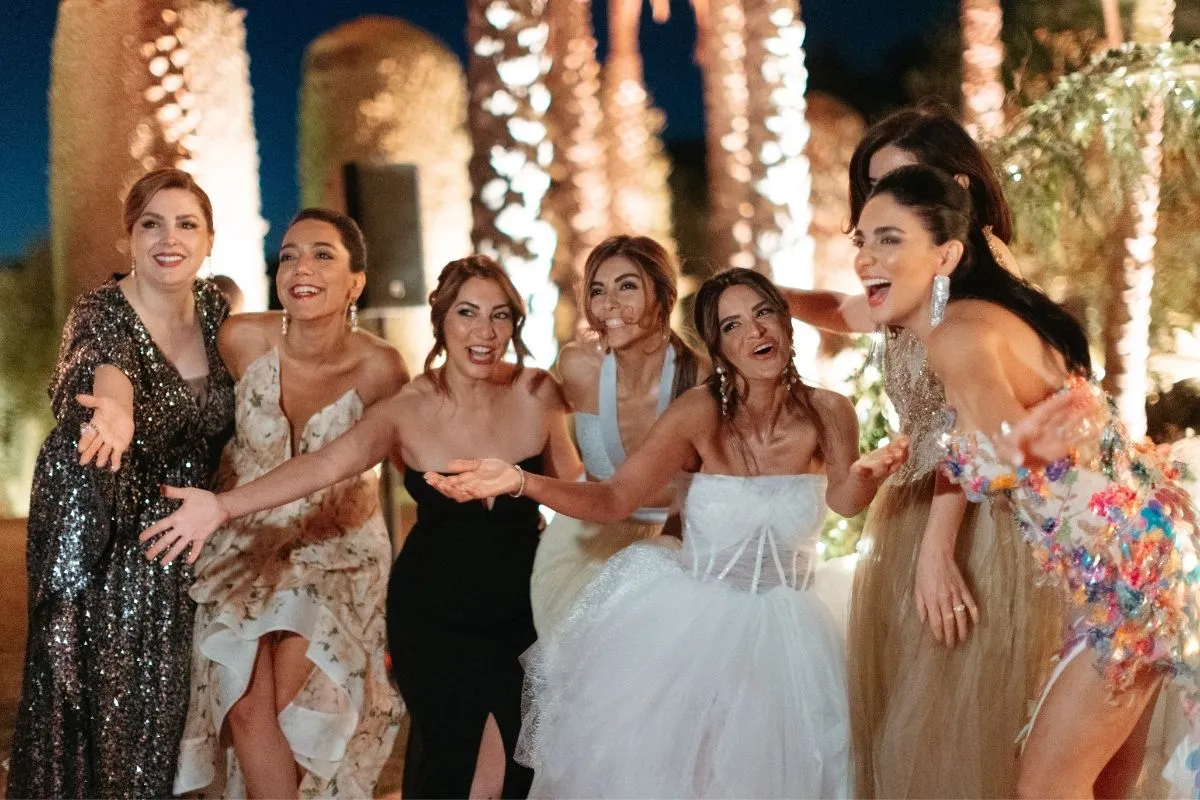
Persian Wedding Traditions: Heritage Made Personal
There is no single way to celebrate a Persian wedding.
Some couples preserve traditions closely. Others reinterpret them, combine them with another cultural heritage or choose only those elements that feel meaningful to their families and their story.
For international couples, this often creates a particularly rich dialogue between generations, places and identities.
Understanding Persian wedding traditions therefore goes beyond recognising their most visible elements. Ceremony, family participation, music, food and symbolism can all carry meaning.
What matters is deciding which traditions belong to the couple and giving them the space they deserve.
A contemporary Persian wedding can be deeply rooted without feeling bound by convention. That balance — between continuity and personal expression — is where the celebration begins to acquire its own identity.
The Sofreh Aghd: Symbolism at the Heart of the Ceremony
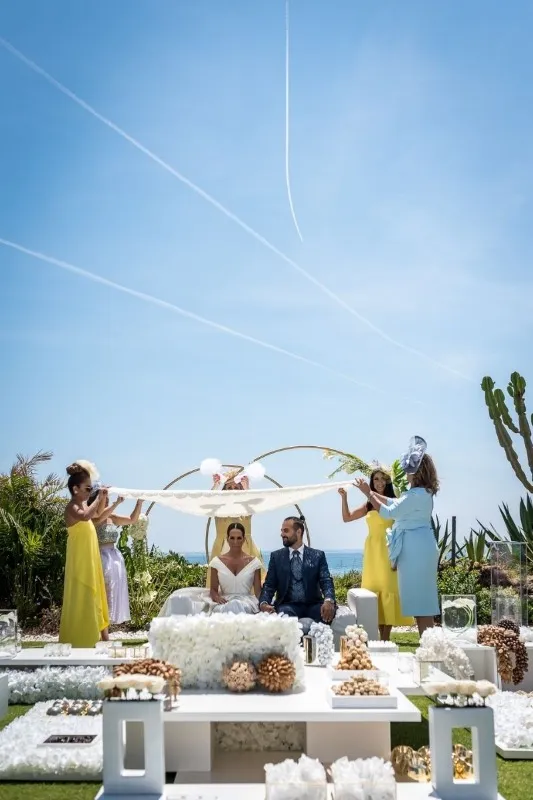
One of the most recognisable elements of a Persian wedding ceremony is the Sofreh Aghd.
More than a decorative installation, it is a ceremonial spread composed of symbolic elements connected with ideas such as abundance, sweetness, prosperity, light and the shared life the couple is beginning.
Its exact composition can vary between families and celebrations. Mirrors, candles, sweets, breads, fruits, nuts and carefully chosen objects may all form part of the setting, each contributing to the meaning of the ceremony.
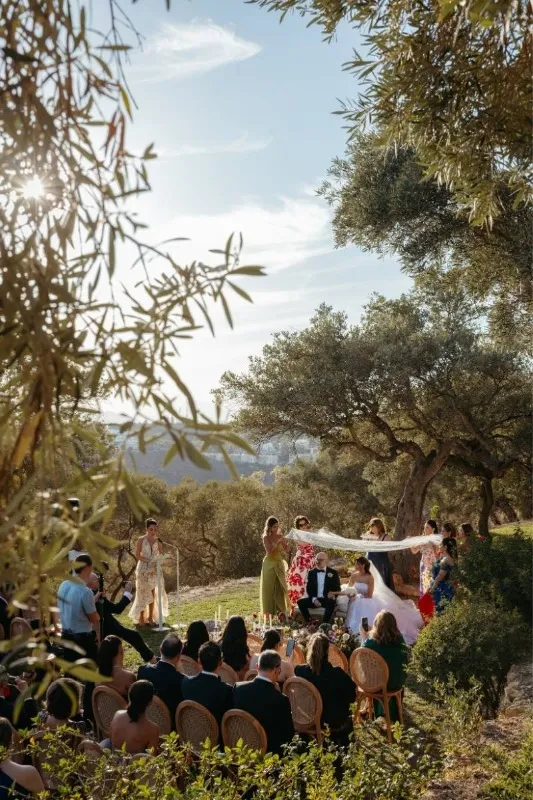
When Ceremony and Design Speak the Same Language
For us, the Sofreh Aghd should never be approached simply as another styling opportunity.
Its aesthetic presence can be extraordinary, but beauty becomes far more powerful when it grows from understanding.
Materials, florals, light, colour and spatial composition can complement the ceremony without overwhelming the symbols at its centre. The result should feel connected to the wider wedding design while retaining its cultural significance.
This distinction matters particularly in luxury celebrations, where visual ambition should never turn meaningful traditions into decorative motifs.
The most compelling result is the opposite: design that gives ritual the space to be seen, understood and experienced.
Persian Wedding Ceremonies in a Contemporary World
Many couples today move naturally between cultures.
They may live in one country, have family in several others and choose Spain as the place where everyone comes together. Their wedding can therefore be Persian, international and entirely personal at the same time.
Traditional moments can sit naturally alongside modern architecture, Mediterranean landscapes, fashion, music and a highly individual design language.
The key is continuity.
Rather than treating culture as a separate theme layered onto the celebration, we look for ways to make it part of the emotional and visual narrative of the wedding as a whole.
This is also why terms such as Persian wedding traditions and Iranian wedding traditions describe something much broader than a fixed set of rituals. They speak to heritage, family and identity — and to the many ways couples choose to express them today.
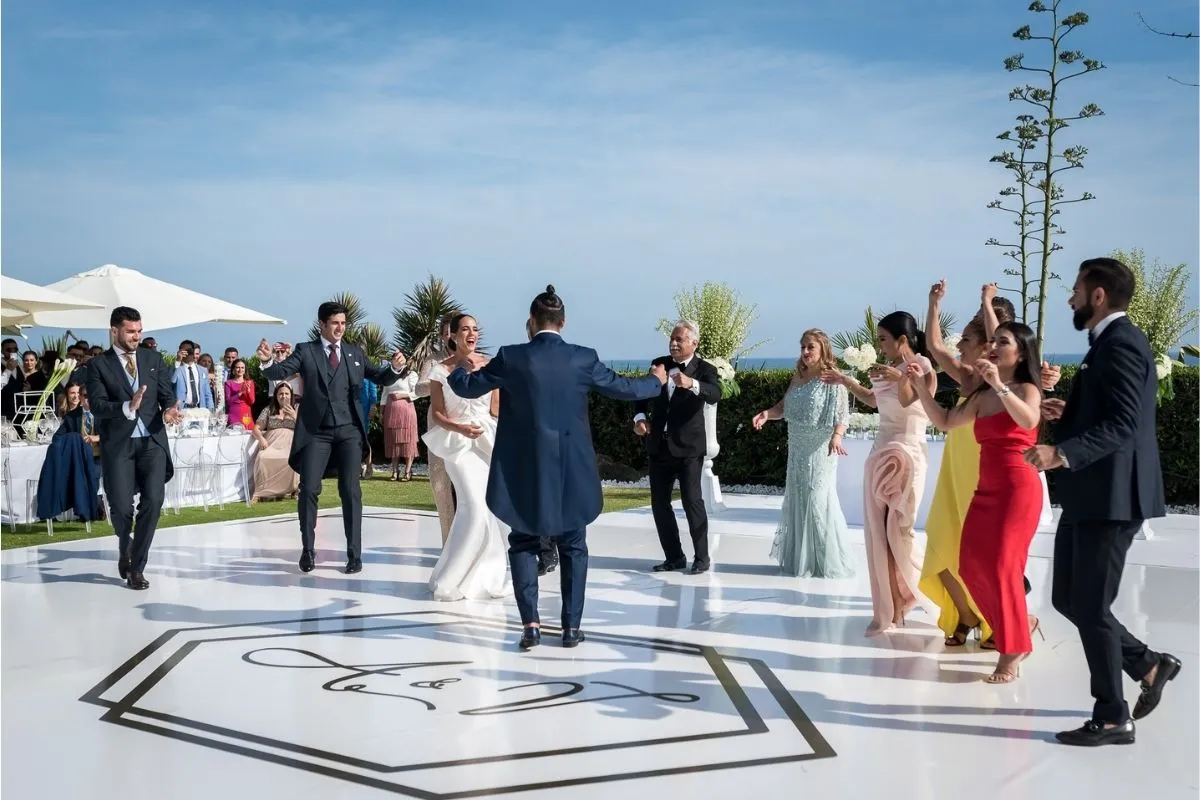
Bringing a Persian Wedding to Spain
Spain offers an extraordinary canvas for international celebrations because it creates a strong sense of destination without imposing a single aesthetic.
Light, landscape, architecture, gastronomy and the possibility of bringing guests together across several days can all become part of the experience.
Planning a Persian wedding in Spain, however, also means connecting different worlds.
Cultural traditions need the right setting. Suppliers need to understand the importance of particular moments. Ceremonial elements may require specialist knowledge. Guests arriving from different countries need to experience the celebration as one coherent whole.
This is where destination planning becomes more than logistics.
It begins with understanding why something matters before deciding how and where it should happen.
Our approach to Persian weddings is built around that dialogue between cultural identity, destination and individual expression.
The Guest Experience Is Part of the Celebration
Hospitality gives many Persian celebrations their unmistakable energy.
A wedding is not experienced only through its ceremony or design. Guests remember how the evening unfolded, the atmosphere around the table, music, food, family interactions and the moments that made them feel part of something.
For a destination wedding, that experience becomes even more important.
Guests may have travelled considerable distances to be there. Some will know every tradition instinctively; others may be encountering them for the first time.
Thoughtful planning allows everyone to experience the celebration naturally, without overexplaining it or turning meaningful rituals into spectacle.
Language, timing, transitions, ceremony, dining and entertainment all contribute to that sense of flow.
This is one of the reasons our wider approach to luxury weddings begins with the experience as a whole rather than with isolated decorative decisions.
Tradition Does Not Mean Repetition
Respecting tradition does not mean recreating the same visual language from one wedding to another.
Two couples may value the same ceremony and interpret it in completely different ways.
One celebration might feel restrained and architectural. Another may be abundant, colourful and theatrical. A third may bring Persian heritage into dialogue with another culture altogether.
What gives each wedding authenticity is not conformity, but intention.
At Sira Antequera, we believe part of luxury lies in this freedom: preserving what carries meaning while allowing the rest of the celebration to evolve around the couple.
The result should never feel like an interpretation of what a Persian wedding is supposed to look like.
It should feel theirs unmistakably.
A Celebration Rooted in Place: Sahar & Farhad
Real weddings allow that philosophy to become tangible.
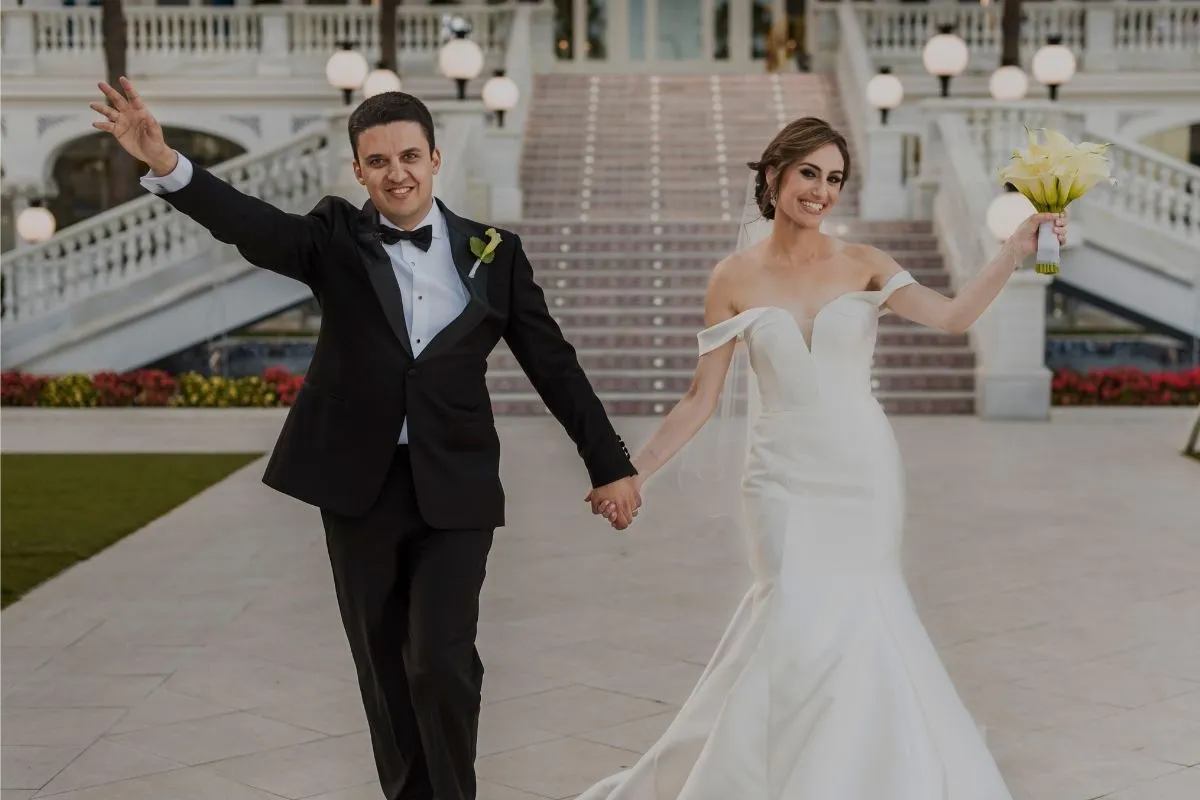
Sahar and Farhad's celebration in Málaga shows how a destination can become part of a couple's story rather than simply providing its backdrop.
The warmth of southern Spain, its landscape and its sense of hospitality created a setting with its own identity, while the celebration remained first and foremost personal.
That distinction matters.
A destination should enrich the celebration, not erase everything the couple brings with them.
Creating a Persian Wedding That Feels Entirely Your Own
The most memorable Persian weddings are not necessarily those that include the greatest number of traditions.
They are those in which every decision has a reason.
A Sofreh Aghd can carry generations of meaning. A family ritual can become one of the most emotional moments of the day. Music can connect guests across languages. Contemporary design can give familiar traditions an entirely new context.
Our work is to bring those layers together.
For couples considering a Persian celebration in Spain, we begin by listening: to the traditions they wish to preserve, the expectations of their families, the atmosphere they want to create and the parts of their story that cannot be expressed through a template.
From there, the celebration can take its own form.
Discover more about our approach to Persian wedding planning in Spain or contact our team to begin a conversation.